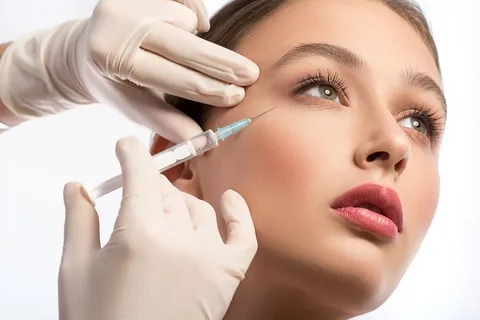
Botox has become a go-to solution for those seeking a non-invasive way to rejuvenate their appearance. From smoothing out wrinkles to enhancing facial contours, this popular treatment is known for delivering noticeable improvements with minimal downtime. But before you decide to undergo Botox treatment, it’s important to understand the Botox before and after results, how to prepare for the procedure, and the necessary post-treatment care to achieve the best outcomes.
What Is Botox?
Botox, or botulinum toxin, is a purified protein derived from Clostridium botulinum. It is used for both medical and cosmetic purposes, with its primary function being to temporarily block nerve signals in muscles, preventing them from contracting. In aesthetic treatments, Botox is often injected into specific facial muscles to relax them, reducing the appearance of fine lines and wrinkles.
While Botox is primarily known for its cosmetic uses, it can also be used to treat conditions such as chronic migraines, excessive sweating, and even certain muscular disorders.
Botox Before and After: What to Expect
Botox Before and After Eyes
One of the most popular areas for Botox treatment is the eyes. Commonly treated areas include crow’s feet (the fine lines that appear at the corners of the eyes) and frown lines between the brows. Botox before and after eyes can show dramatic results. Prior to the treatment, these lines might appear deep and noticeable, but after Botox injections, they often become significantly softer and less pronounced.
Most patients begin to see results within 3 to 5 days, with the full effect becoming visible within 1 to 2 weeks. The skin around the eyes will look smoother, and the overall appearance will be more youthful. However, it’s essential to note that Botox results are temporary, typically lasting 3 to 4 months before a touch-up is required.
20 Units of Botox Before and After
The number of units of Botox required can vary depending on the individual’s treatment area, muscle strength, and the results they desire. For example, when treating areas such as the forehead, crow’s feet, or frown lines, many patients may begin with approximately 20 units of Botox before and after the procedure. After the treatment, you can expect smoother skin with reduced wrinkles, but the specific number of units may need to be adjusted over time, depending on how the body responds.
It’s important to remember that Botox is a customizable treatment. The number of units administered will depend on factors like the severity of the wrinkles and the patient’s specific aesthetic goals. Always consult with a qualified practitioner who can tailor the dosage to meet your needs.
What to Do Before and After Botox
What to Do Before Botox
The right preparation can make a big difference in the outcome of your Botox treatment. Here are a few things you should do before getting Botox:
- Consult a Licensed Provider: Always seek out a qualified practitioner who is experienced in administering Botox injections. They will be able to assess your needs and explain what to expect.
- Avoid Blood Thinners: In the week leading up to your Botox appointment, avoid alcohol, supplements, and blood-thinning medications, as they can increase the risk of bruising at the injection site. Common offenders include aspirin, ibuprofen, vitamin E, and certain herbal supplements.
- Stay Hydrated: Drinking plenty of water before your procedure can help your skin appear plumper and make the treatment process more comfortable.
- Cleanse Your Skin: Clean skin is essential for minimizing the risk of infection. Your practitioner will cleanse your skin before the treatment, but it’s a good idea to ensure that no makeup or oils are present beforehand.
What to Do After Botox
After Botox, it’s important to follow a few simple guidelines to ensure the best possible results:
- Stay Upright: Avoid lying down or reclining for at least 4 hours after your Botox injections. This helps prevent the Botox from migrating to unintended areas.
- Avoid Touching the Treated Area: Refrain from massaging or pressing on the injection sites. Gently cleanse the area, but don’t rub or manipulate the skin.
- Exercise Caution with Exercise: Avoid strenuous physical activities for the first 24 hours after Botox, as excessive movement can affect the Botox’s settling time.
- Follow Up with Your Provider: Schedule a follow-up visit to ensure you are happy with the results. If necessary, your practitioner can make adjustments to the treatment.
What Not to Do Before and After Botox
To achieve the best Botox before and after results, there are some important things to avoid:
- Don’t Consume Alcohol: Avoid alcohol for at least 24 hours before and after your Botox procedure. Alcohol can increase the risk of bruising and swelling at the injection site.
- Don’t Massage the Area: While it’s tempting to touch or massage the treated areas, doing so can cause the Botox to spread to unintended muscles, leading to unwanted results.
- Avoid Excessive Sun Exposure: After Botox, avoid sunbathing or exposure to intense heat, as this can increase swelling or irritation in the treated area.
- Don’t Schedule Other Treatments Immediately After Botox: If you are considering additional procedures, such as facials, laser treatments, or chemical peels, wait at least a week after Botox to ensure your skin heals properly.
Can Botox Help Jowls Before and After?
In addition to smoothing wrinkles, Botox can also be used to treat sagging jowls. By injecting Botox into the muscles around the jawline, it helps relax the muscles that contribute to the sagging appearance. This can create a slight lifting effect, leading to a more defined jawline. Botox before and after jowls typically shows a noticeable reduction in sagging, though this treatment works best when combined with other non-invasive treatments like dermal fillers for more dramatic results.
What Should I Do After Botox?
After your Botox procedure, following the aftercare instructions provided by your practitioner is crucial. The main points to remember are:
- Avoid Massage: Don’t touch or massage the injection site for several hours to prevent Botox from moving to other areas.
- Stay Hydrated: Keep drinking water and maintain a healthy diet to support the healing process.
- Be Patient: Botox typically takes 3 to 5 days to start working, and full results may take up to 2 weeks.
In conclusion, Botox before and after results can be incredibly rewarding when done properly. With the right preparation, proper aftercare, and realistic expectations, you can achieve a refreshed, youthful appearance that lasts for months. Always consult with a qualified provider to ensure your Botox treatment is safe and effective.
Click here for more blogs.


