The construction industry is constantly evolving with new challenges and requires innovative solutions for efficient drilling projects. Advanced technology and materials have significantly impacted the way construction professionals approach drilling operations. Effective drilling is crucial for foundational integrity in various construction projects, such as building skyscrapers or creating tunnels. In this article, we will discuss the importance of drilling resources and how they contribute to the overall success of construction projects. Keep reading to explore some of the most influential factors in drilling operations within the construction industry.
Innovative Technologies in Drilling: Enhancing Efficiency and Safety
Drilling technology innovation is not just about hardware but also software and process improvements. Modern drill rigs are equipped with smart sensors and control systems, reducing human error and increasing site safety. Operators can practice in a risk-free environment using simulations and virtual reality training, preparing them for real-world drilling. Renewable energy is being used in drilling operations, with some equipment powered by electric or hybrid systems.
This reduces operational costs and emissions, aligning with global sustainability goals. Robotics and autonomous equipment are also transforming the construction industry by performing hazardous tasks without human intervention, minimizing potential accidents. As these systems become more prevalent, drilling projects will likely shift towards 24/7 autonomous operations, enhancing productivity.
The Importance of Material Selection for Effective Drilling Operations
The choice of materials for drilling projects is crucial for their durability and performance. High-quality materials can withstand high-torque and impact conditions, reducing breakdowns and maintenance costs. The integrity of casing and tubing is also crucial for successful completion. Advanced alloy materials and composite structures are being used to improve strength-to-weight ratio, corrosion resistance, and longevity, especially in geotechnical drilling.
Tailoring materials to specific drilling applications and soil conditions requires expert knowledge. Material engineers and drilling specialists work together to create solutions that resist wear, increase efficiency, and maximize safety. As material science advances, new possibilities for superior drilling operations are opened up, conserving time and resources while maintaining high standards of quality.
Understanding the Role of Advanced Drilling Equipment in Construction
Advanced drilling equipment has revolutionized modern construction, offering unmatched precision and efficiency. These machines cut through tough materials effortlessly, reducing physical strain on workers and accelerating project timelines while promoting safety. Innovations like automation and Alpine Polymer Slurry ensure repeatable accuracy, making them indispensable for critical tasks such as high-rise foundations.
Quieter and eco-friendly designs address urban construction challenges, minimizing noise pollution and supporting sustainability. The integration of digital technology, including real-time data and 3D imaging, has enhanced drilling operations by enabling better planning and risk management. While the initial cost and training remain hurdles, the long-term benefits of improved precision, safety, and efficiency are driving widespread adoption of advanced equipment, ensuring a promising future for the construction industry.
Training and Education Resources for Drilling Professionals
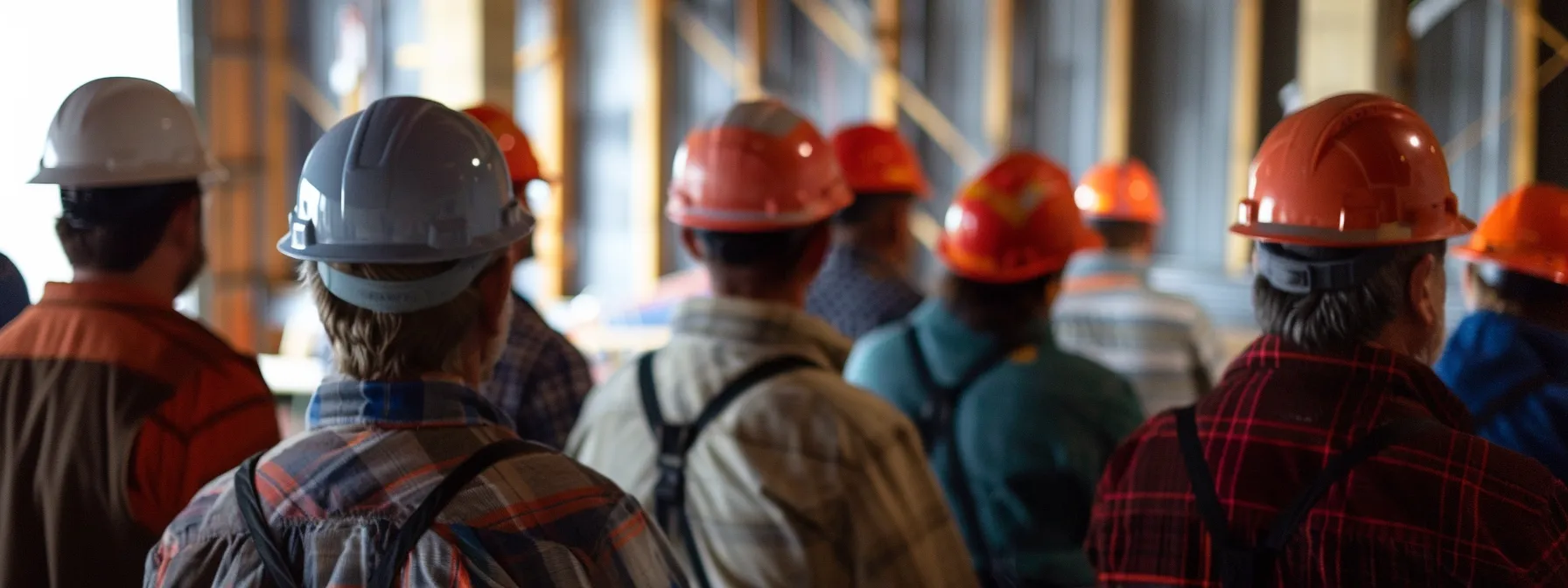
The drilling industry requires ongoing training and education for professionals to operate complex machinery and adhere to safety protocols. Trade associations and professional organizations offer resources and stay updated on industry best practices. Online learning platforms and technology-driven training programs make education more accessible, allowing flexible schedules and maintaining a competent workforce.
Internal training initiatives in construction firms also ensure employee preparedness, improving project outcomes, morale, and retention. Companies recognize the value of equipping their teams with the latest knowledge and skills to remain competitive in a rapidly changing industry.
Navigating Regulatory Standards for Drilling in the Construction Industry
Compliance with regulatory standards is crucial for the construction industry’s drilling projects, ensuring safety for workers and the environment. Environmental regulations dictate permissible techniques, equipment, and waste management. Companies must understand and adhere to these guidelines for responsible construction practices. Worker safety regulations cover proper machine operation, personal protective equipment, and emergency response procedures.
Regulatory bodies may mandate specific certifications or training for staff involved in drilling operations. Local zoning ordinances and building codes can also dictate drilling practices. A proactive approach, often involving liaisons with local authorities and legal experts, is essential for successful navigation of these regulatory landscapes. This ensures the smooth progression of drilling projects and avoids costly legal challenges or operational setbacks.
Overall, the construction industry’s progress in drilling operations reflects a synergy between technological advancements and a deep understanding of materials science. Continual training and strict adherence to regulatory frameworks ensure that construction projects remain innovative, safe, and efficient. As we consider the future of construction, it’s clear that investment in these key areas will continue to drive excellence in drilling projects and the industry at large.