There’s something inherently magical about old homes. From their creaky floors to the intricate woodwork and vintage fixtures, they often hold a unique story in every room. Yet, over time, these treasures can fall victim to wear and tear, making restoration not just a project, but a rewarding journey that marries the past with the present. If you’re considering restoring an old home, the process can seem overwhelming, but with the right approach, you can bring back its charm while maintaining its character.
1. Respect the History
The first step in any restoration project is understanding and respecting the history of the home. Before you start knocking down walls or replacing flooring, take time to research the house’s origins. Was it built during a specific architectural period? Are there features that are unique to that era, such as crown molding, stained glass, or ornate fireplaces? Identifying these features early on can help you maintain the home’s original charm and ensure that you don’t accidentally erase a significant part of its history.
2. Focus on the Foundation
While the visual charm of an old home is often what first captivates you, the foundation should be your primary concern. A home may appear stunning at first glance, but if the underlying structure is compromised, restoring it can quickly become an expensive and risky endeavor. Begin by having a professional inspect the foundation, roof, and plumbing to ensure they’re in sound condition.
If any issues are discovered, it’s crucial to address them before diving into cosmetic updates. In Salt Lake City, roof replacement, in particular, can be an essential step to secure your home’s structural integrity and ensure the success of your restoration project. A solid foundation and roof are key to preserving your home for the long term.
3. Preserve, Don’t Replace
Old homes often feature craftsmanship that’s hard to replicate today. From wood paneling to original tile work, these unique elements can provide incredible character to the house. When restoring your home, consider preserving these original features where possible. For example, rather than replacing old hardwood floors, try sanding and refinishing them to restore their natural beauty. In many cases, the materials used in old homes were of superior quality compared to what’s available now, so you may find that preserving them actually enhances the home’s charm.
That said, certain elements—like outdated plumbing or wiring—might need replacement for safety and functionality reasons. The key is to balance modern updates with a commitment to preserving the historic features that give your home personality.
4. Embrace Modern Comforts
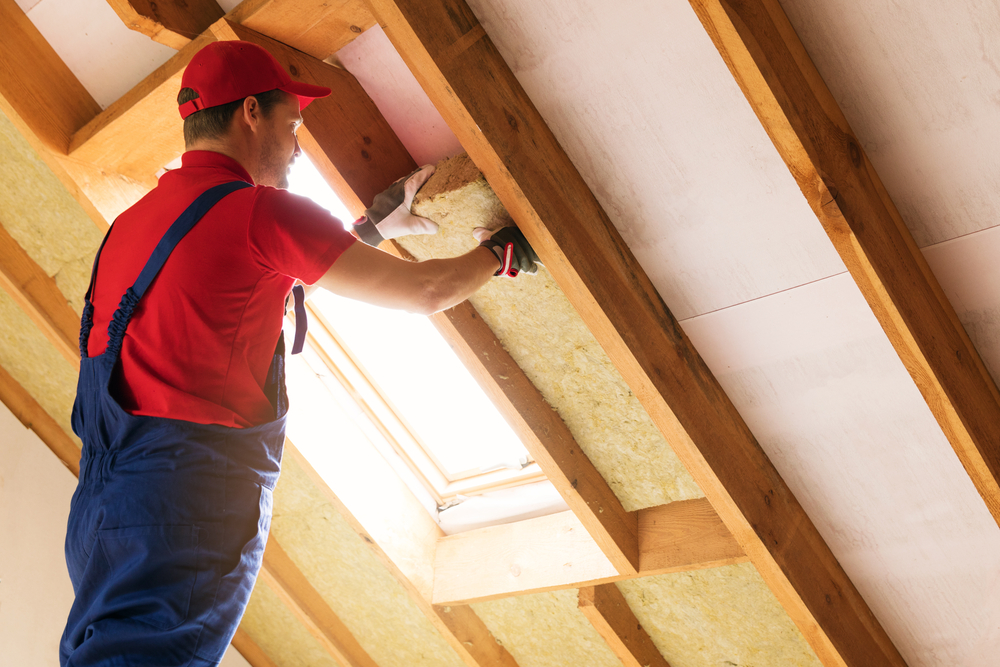
While it’s important to retain the old-world charm of your home, you don’t have to sacrifice modern amenities. One of the most exciting aspects of old home restoration is the ability to combine classic design with current technology. Updating the kitchen and bathroom with energy-efficient appliances, adding insulation for comfort, or integrating smart home systems can provide a level of convenience that older homes didn’t originally have.
However, when adding these updates, make sure they don’t overpower the house’s character. For instance, opt for sleek, unobtrusive designs that complement the historic elements rather than clash with them. By choosing appliances and finishes that mirror the home’s time period, you can maintain the integrity of the home’s design while improving its functionality.
5. Restore Key Architectural Features
A large part of a home’s charm often lies in its architectural features. Whether it’s a grand staircase, a vintage chandelier, or custom woodwork, these elements can make a house feel like a piece of history. Focus on restoring the key features that make the home unique.
For example, if your home has decorative plaster ceilings, consider hiring a professional to restore them rather than replace them. Likewise, windows that are a little drafty but still structurally sound can often be restored with special treatments, rather than being entirely replaced with modern, less charming alternatives.
6. Pay Attention to Color and Textures
When it comes to the interiors of an old home, one of the simplest yet most effective ways to breathe new life into it is through color and texture. Vintage wallpaper, rich-colored paints, and textured fabrics were popular in many old homes and can often be reintroduced with modern takes on old designs. A soft, muted palette will help highlight the home’s architectural details, while textiles like velvet or linen curtains can create an inviting atmosphere.
Don’t be afraid to embrace vintage-inspired design elements. A home’s walls and furniture can be the perfect backdrop for adding personality, whether it’s through classic patterns, period-specific colors, or antique furnishings.
7. Landscaping to Complement the Home
The outside of your home is just as important as the inside. Restoring an old house isn’t complete without paying attention to the landscaping. For historical homes, the landscape was often as carefully curated as the interior. Look to the home’s original design to inspire your landscaping choices. Classic garden styles, such as cottage gardens or manicured lawns, can add authenticity to the exterior.
Integrating modern elements like native plants or eco-friendly features can complement the old-world charm while improving your home’s sustainability. Whether you’re planting heirloom roses or adding a vintage-style stone pathway, landscaping helps frame the beauty of the home.
8. Patience Is Key
Restoring an old home is a process, and patience is essential. The work may take time, and unexpected challenges may arise along the way. While it can be tempting to rush through a project to see results, a carefully planned and executed restoration will pay off in the long run. The beauty of old homes lies in their story, and each update and repair adds to that narrative.
In Conclusion
Restoring an old home is an opportunity to connect with the past while creating a living space that suits your modern lifestyle. By focusing on the structure, preserving the architectural elements that make the house unique, and adding thoughtful modern touches, you can breathe new life into a historic gem. With respect, patience, and creativity, you can restore charm and character, turning an old home into something truly timeless.